Discover the Story of Stoney Middleton


Thousands of years of history. Recorded in the Domesday Book of 1086, the village has been shaped by geology, lead mining, limestone quarrying, boot making and the people who made their lives among the steep sides of Middleton Dale.
Stoney Middleton Heritage Centre brings these stories together at The Cupola. Through local records, historic photographs, films and displays, you can discover how the landscape formed, how village industries developed and how generations of residents lived and worked here.
The centre is a starting point rather than an ending. From The Cupola, you can follow heritage trails through the village, find unusual listed buildings and explore stories of invention, survival, mystery and murder.
Go deeper through the Stoney Middleton Heritage digital archive, then return for a meal from our restaurant menus, stay in one of our Peak District apartments or experience the stories for yourself on one of our guided experiences.
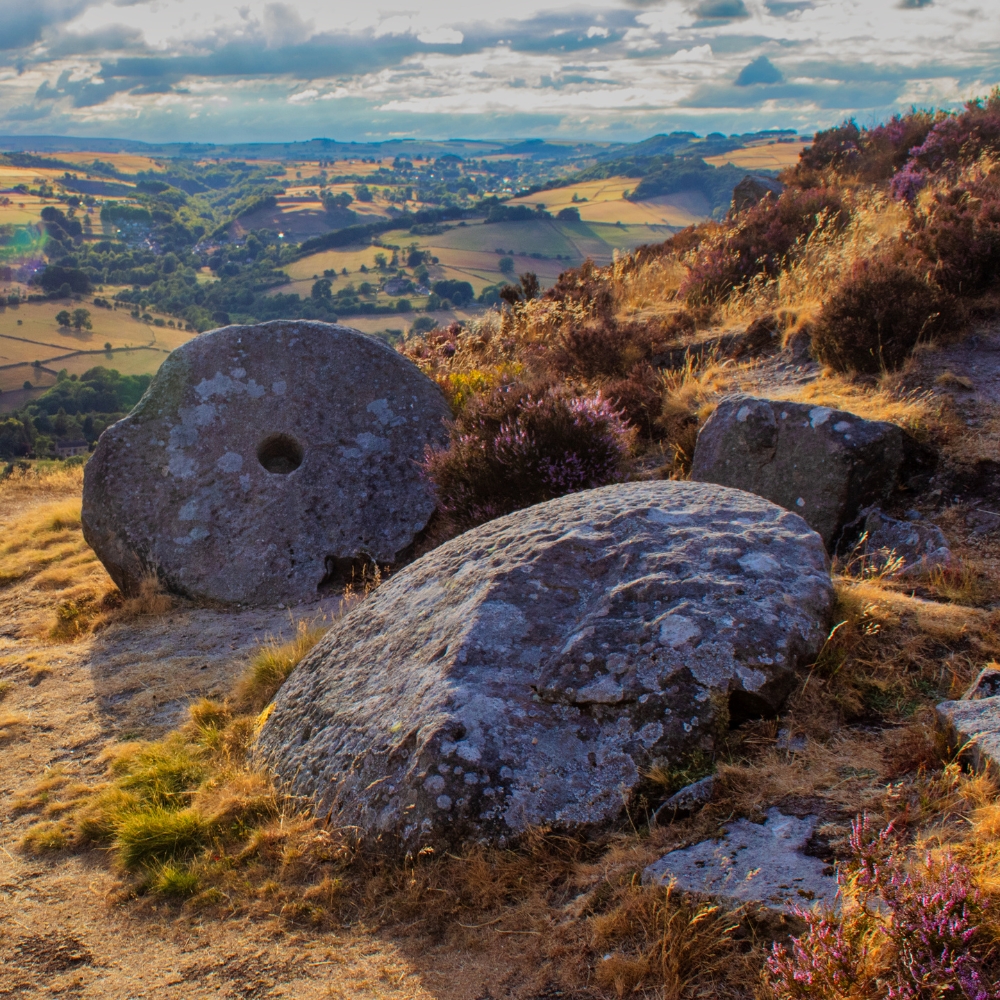
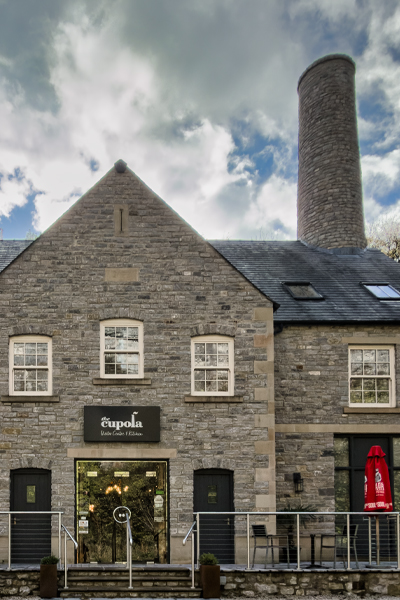
Located inside The Cupola, Stoney Middleton Heritage Centre brings the village’s remarkable past together in the place where many of its stories began. The building stands on the site of the historic Lord’s Cupola, once part of the lead-smelting industry that shaped both Middleton Dale and the community around it.
Through displays, local records, historic photographs and films, the centre explores the people, industries and events that made Stoney Middleton distinctive. Discover its geology and early history, the lives of miners, quarry workers and boot makers, its unusual buildings, and the folklore that still clings to the village’s streets, caves and cliffs.
The centre is also an ideal starting point for exploring the village itself. Continue onto the heritage trails, find landmarks featured in the displays, or delve more deeply into the extensive Stoney Middleton Heritage archive. After your visit, stay at The Cupola for breakfast, lunch or dinner and take time to plan the next part of your Peak District day.
Long before there was a village, this landscape was being formed beneath an ancient tropical sea. Layers of limestone developed from the remains of marine life before movements in the earth, mineral-rich water and glacial meltwater created the rocks, caverns and steep-sided dales we see today.
The geology beneath Stoney Middleton influenced everything that followed. The limestone provided building stone and material for the lime kilns, while veins of lead, fluorspar and other minerals brought miners into the dale. Natural springs also shaped village life, including the warm waters associated with the historic Bath House.
Evidence of early settlement stretches back through the prehistoric and Roman periods. Later generations built their homes on the rocky ledges, creating the distinctive village that now seems to rise out of the hillside.
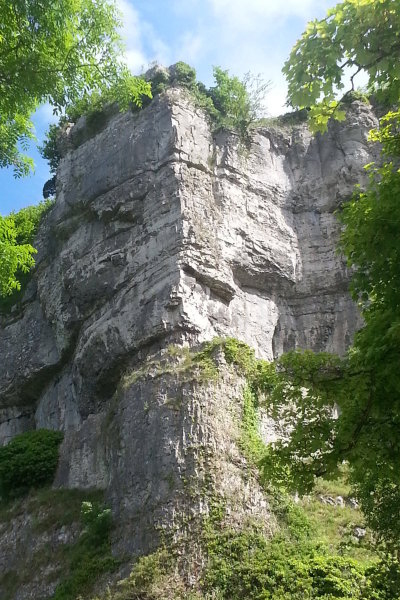
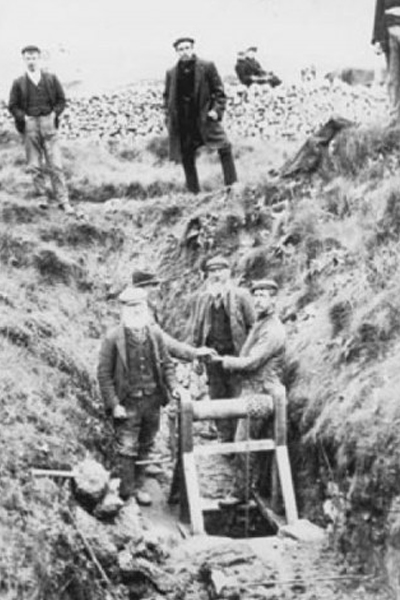
For centuries, Stoney Middleton was a working village. Lead was mined and smelted in the dale, limestone was quarried from the surrounding cliffs, and lime kilns burned day and night. The original Lord’s Cupola once stood on the site now occupied by The Cupola, using the shape of the dale and the flow of air to help smelt locally mined lead.
As mining declined, other industries developed. Fluorspar, barytes and limestone continued to be extracted and processed, while boot making became one of the village’s defining trades. Families worked across generations in workshops and factories, producing hard-wearing boots for miners, quarry workers and customers far beyond Derbyshire.
The industries were demanding and sometimes dangerous, but they sustained the village and shaped its buildings, landscape and character. Their traces can still be found in old workings, quarry faces, factory buildings, archive photographs and family stories.
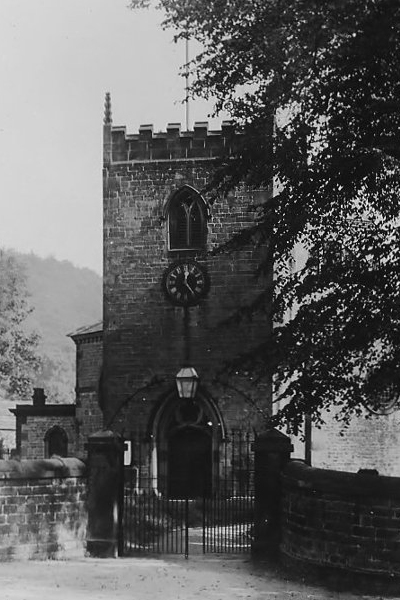
The story of Stoney Middleton is also written in its streets and buildings. St Martin’s Church has an unusual octagonal nave, while the similarly shaped Toll House stands beside the road through the dale. Middleton Hall, the Bath House, the village cross, former inns, workers’ cottages and old industrial buildings each reveal a different part of village life.
Yet buildings tell only part of the story. The Heritage archive preserves photographs, documents, family histories, postcards and recorded memories from the people who lived and worked here. They reveal everyday lives: school days, village celebrations, family businesses, wartime experiences, work in the quarries and factories, and the small details that formal histories often overlook.
Together, these records create a living portrait of the village. They allow present and future generations to see not simply what happened here, but what it felt like to call Stoney Middleton home.
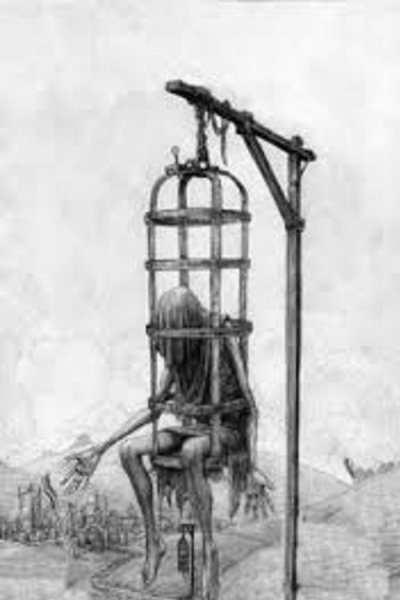
Stoney Middleton’s history is threaded with stories that sit somewhere between recorded fact, local memory and legend. At Lovers Leap, Hannah Baddeley is said to have survived a dramatic fall from the cliffs after being rejected by the man she loved. Across the surrounding moors, the highwayman Black Harry preyed upon travellers before meeting a brutal end.
There is also the Murder at the Moon Inn: the story of a Scottish pedlar whose body was hidden in Carlswark Cavern and discovered many years later. The tale became part of the village’s folklore, accompanied by reports of hauntings at both the inn and the cavern.
These darker stories offer a different way into the history of the village. They reveal the dangers of travelling, the isolation of the old roads and the way real events become transformed as they are told from one generation to the next.
Discover more through the Heritage archive, or step into the landscape with our Dark Tales of the Peaks experience.
The best way to understand Stoney Middleton is to walk through it. The village heritage trails lead through quiet lanes, steep streets and former industrial ground, passing listed buildings, dramatic crags, old cottages and places connected with the stories preserved by the Heritage Centre.
Along the way, information boards explain how the village developed and introduce some of its most important landmarks. The routes reveal how closely the natural and human histories of Stoney Middleton are connected: limestone created the dale, minerals brought industry, and industry created the village.
The wider landscape offers more to explore. Walk into Coombs Dale, follow routes towards Eyam or discover the Black Harry Trails across the surrounding countryside. Begin at The Cupola, collect the information you need and return afterwards for breakfast, lunch or dinner.